Why home recovery can be beneficial
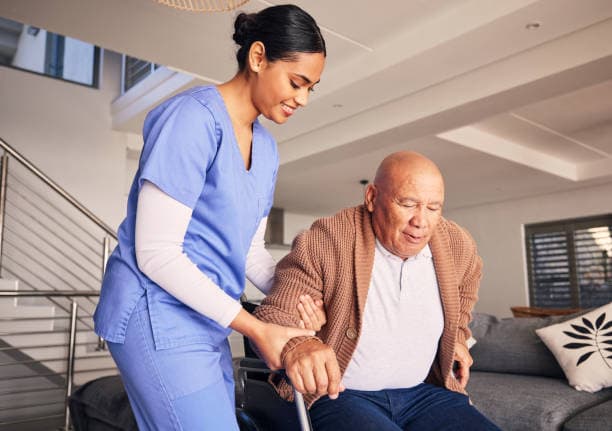
Healing in the comfort of your own home offers profound benefits for post-operative care. Research shows that patients recovering from surgery at home often experience lower stress levels, better sleep quality, and a reduced risk of hospital-acquired infections. Being surrounded by familiar sights, sounds, and loved ones significantly boosts morale, which is intrinsically linked to physical healing. However, successful elderly post-operative care requires careful planning to ensure the home environment actively supports rest and rehabilitation, rather than presenting unnecessary obstacles.
Preparing the home before discharge
A safe home recovery begins before leaving the hospital. First, eliminate trip hazards by removing loose rugs and taping down electrical cords to clear wide pathways for walkers or mobility aids. If stairs are an issue, consider temporarily moving the primary living space and bed to the ground floor. Stock the pantry with easily prepared, nutritious meals and ensure that vital items—like medications, TV remotes, water bottles, and a phone—are within arm's reach of the recovery bed or chair. Installing temporary grab bars in the bathroom can also drastically improve safety during those crucial first few weeks.
“Having a professional caregiver step in for just a few hours a day allowed me to actually be a daughter to my father during his recovery, rather than just his nurse. The peace of mind was invaluable.”
Signs recovery isn't going to plan
While home recovery is ideal, it is vital to monitor for complications. Watch closely for signs of infection such as a sudden fever, increased redness or swelling at the surgical site, or sudden, severe pain that medication does not relieve. If you observe lethargy, confusion, or breathing difficulties, contact your healthcare provider immediately. Professional post-surgery home care services can help monitor these vital signs effectively.