
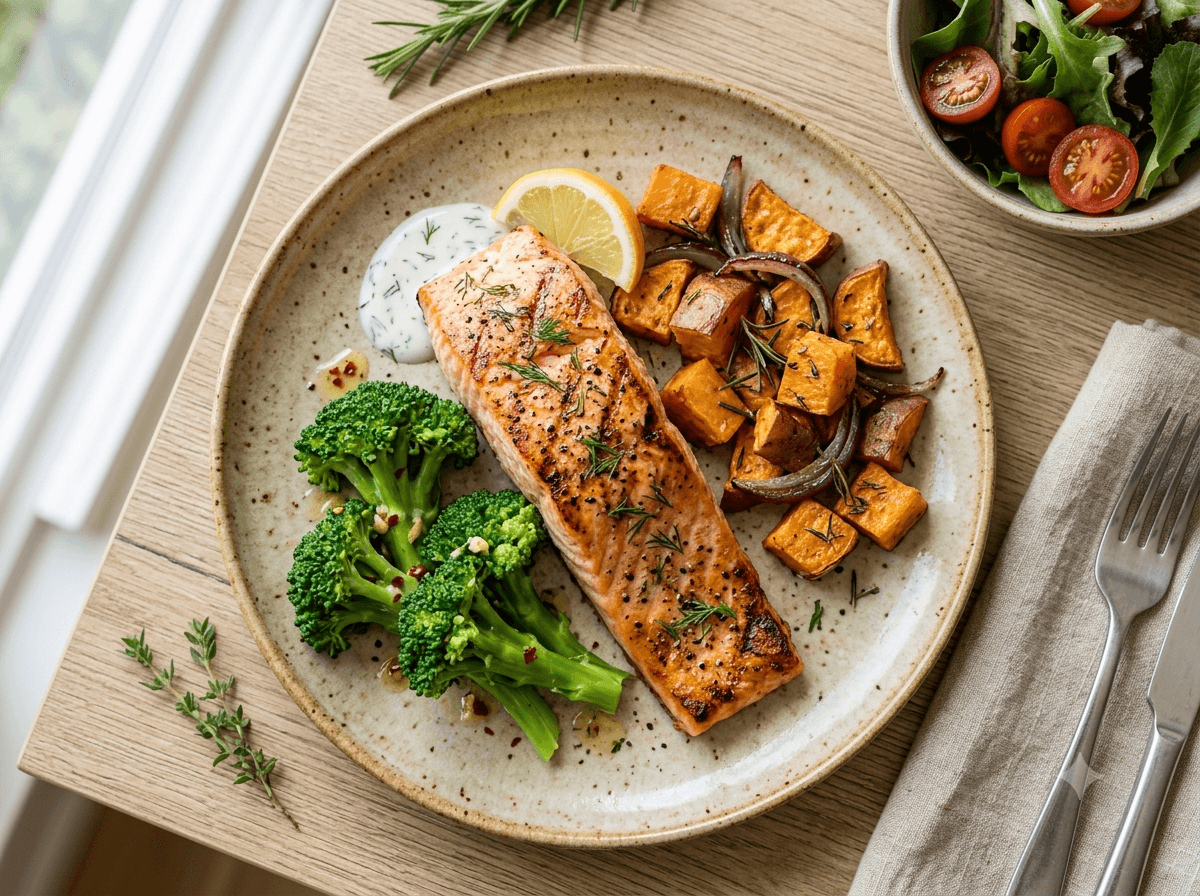
Nutrition needs change with age
As we age, our bodies undergo metabolic changes that make senior nutrition a critical pillar of healthy ageing. Older adults typically require fewer calories due to a natural slowing of metabolism and decreased physical activity, but their need for essential nutrients—such as calcium, vitamin D, B12, and high-quality protein—actually increases. Poor nutrition in the elderly can lead to weakened immune systems, muscle loss, and an increased risk of falls. Furthermore, a diminished sense of taste or side effects from medications can reduce appetite, making it vital to prepare senior-friendly meals that are not only highly nutritious but also visually appealing and easy to digest.
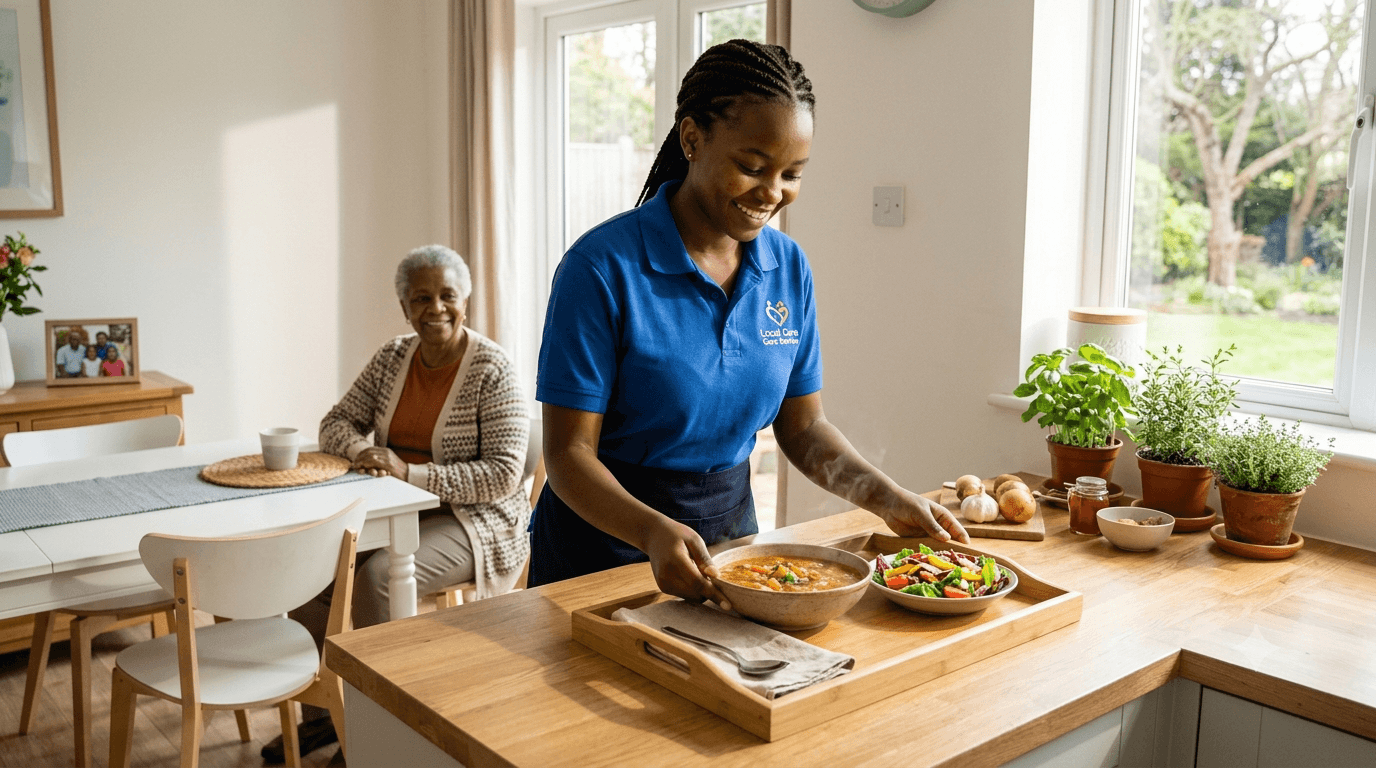
Easy, nutrient-dense meal ideas
Creating a healthy meal plan for seniors doesn't have to be complicated. Start the day with a bowl of warm porridge topped with antioxidant-rich berries, chopped walnuts, and a splash of milk for calcium. For lunch, focus on hydration and protein with a hearty vegetable and lentil soup, served with whole-grain bread; this is gentle on digestion while providing necessary fibre. Dinner should be nutrient-dense but light—consider baked salmon rich in Omega-3 fatty acids to support brain health, paired with steamed asparagus and a small portion of quinoa. Snacking should also be purposeful; Greek yoghurt or sliced apples with almond butter are excellent for maintaining energy levels. Finally, never overlook hydration, as older adults naturally lose their sense of thirst. Encourage drinking water, herbal teas, or broths throughout the day to prevent dehydration and support overall wellbeing.